
Brain tumours
Being told something has been found on your brain scan is frightening. Many brain tumours are not cancer, and some need no treatment at all. This page explains what a finding can mean, the options, and how our team plans your care.
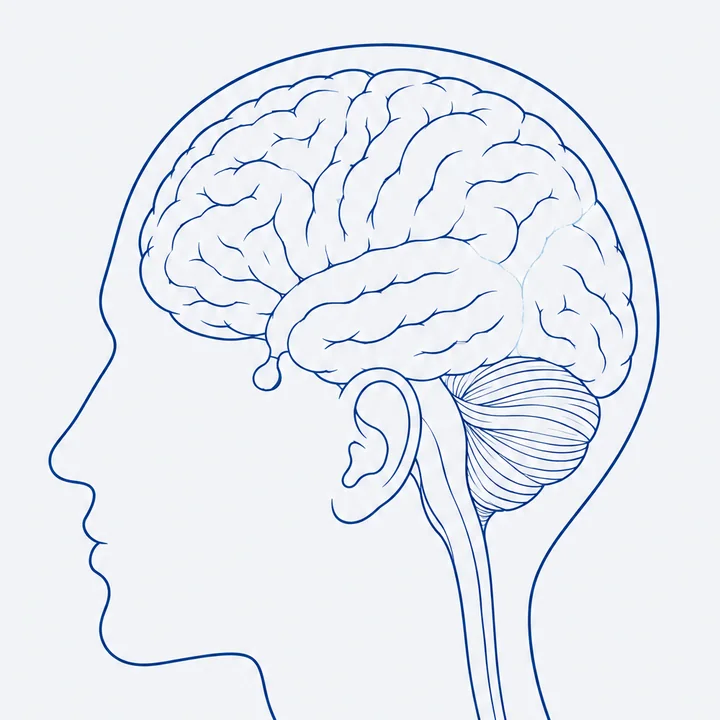
Symptoms depend on where it is
A tumour causes symptoms by pressing on the part of the brain around it, so where it sits matters more than its size. Some cause no symptoms and are found on a scan done for another reason.
By area of the brain
- Front of the brainChanges in personality or behaviour, weakness on one side of the body
- Top of the brainNumbness, or difficulty judging space and position
- Side of the brainDifficulty finding words, memory problems, seizures
- Back of the brainLoss of part of your vision
- Lower back of the headUnsteadiness, poor balance and coordination
- Base of the skullHearing loss or ringing in one ear, blurred or narrowing vision, hormone changes
Signs to have checked
- New headaches that are worse in the morning or come with vomiting
- A first seizure, at any age
- Weakness or numbness on one side that is slowly getting worse
- Changes in vision, speech or hearing
- Changes in personality or memory that family have noticed
A sudden, severe headache, a seizure that does not stop, or collapse needs emergency care. Call 999 or go to the nearest Emergency Department.
Is it cancer?
“Brain tumour” covers very different conditions. The type usually matters more than anything else in deciding what happens next.
| Type | Common examples | What it usually means |
|---|---|---|
| Benign (not cancer) | Meningioma, acoustic neuroma, pituitary tumour | Usually slow-growing and does not spread. Many can be watched with scans; others are treated with surgery or Gamma Knife radiosurgery. |
| Malignant, starting in the brain | Glioma | Grows into surrounding brain. Treatment usually combines surgery with radiotherapy or chemotherapy. |
| Secondary | Spread from a cancer elsewhere, such as lung or breast | Treatment is planned together with your oncologist, and depends on the cancer elsewhere in the body. |
Not every tumour needs an operation
The plan depends on the type, where it sits, how it is behaving and how it is affecting you.
Watching with scans
Small, slow-growing tumours that are not causing symptoms are often safest left alone and checked with regular MRI scans.
Gamma Knife radiosurgery
Precisely focused radiation, with no incision. Suited to some small tumours, including acoustic neuroma, meningioma and some secondary tumours.
Surgery
To remove the tumour, relieve pressure on the brain, or take a sample to confirm exactly what it is.
Radiotherapy and chemotherapy
Used on their own or after surgery, depending on the type. These are planned with our oncology colleagues.
If you need surgery
What happens, step by step. Your surgeon will go through the specific risks for your operation before you decide.
Before
Planning
Your scans are reviewed, more imaging is arranged if needed, and the operation is explained so you know what to expect.
The operation
Surgery
Image guidance helps the surgeon locate the tumour precisely and protect the brain around it.
In hospital
Close monitoring
Usually a few days, starting with close observation after the operation, then getting you up and moving.
After
Results and follow-up
The tissue result usually takes one to two weeks. We explain it with you and plan any further treatment and follow-up scans.
Your neurosurgeons
Brain tumour care rarely sits with one doctor. Our neurosurgeons plan it with neurology, neuroradiology and oncology colleagues, so your treatment is joined up from the first scan.


The wider team
Consultant neurologists, an interventional neuroradiologist and affiliated oncologists support each case where needed.
All specialistsQuestions
What patients and families most often ask.
Does a brain tumour mean cancer?
No. Many brain tumours are benign. Even so, a benign tumour can cause problems because of where it sits, which is why it still needs a specialist’s view.
Will I need surgery straight away?
Usually not. Unless the tumour is causing dangerous pressure, there is time to review the scans properly, discuss the options and decide together.
What are the risks of brain surgery?
They depend mainly on where the tumour is and what it lies next to. Your surgeon will explain the specific risks of your operation, and of not operating, before you decide.
Something was found on a scan done for another reason. What now?
This is common. Many of these findings are small and slow-growing and only need monitoring. Send us the scan report and we will tell you which specialist should review the images.
How long is the MC after brain surgery?
It depends on the operation, your recovery and the kind of work you do. Most people need several weeks. We will tell you what to expect before surgery and issue the MC you need.
Something found on your scan?
Send us the report and we will tell you which specialist should review it.